Our Washing Process: Clean Without the Damage
Professional cleaners matched to polished and non-polished surfaces, a careful rinse and water reclamation on every job. That is how we keep your fleet clean without hurting the finish.
Why Some Truck Washes Damage Aluminum
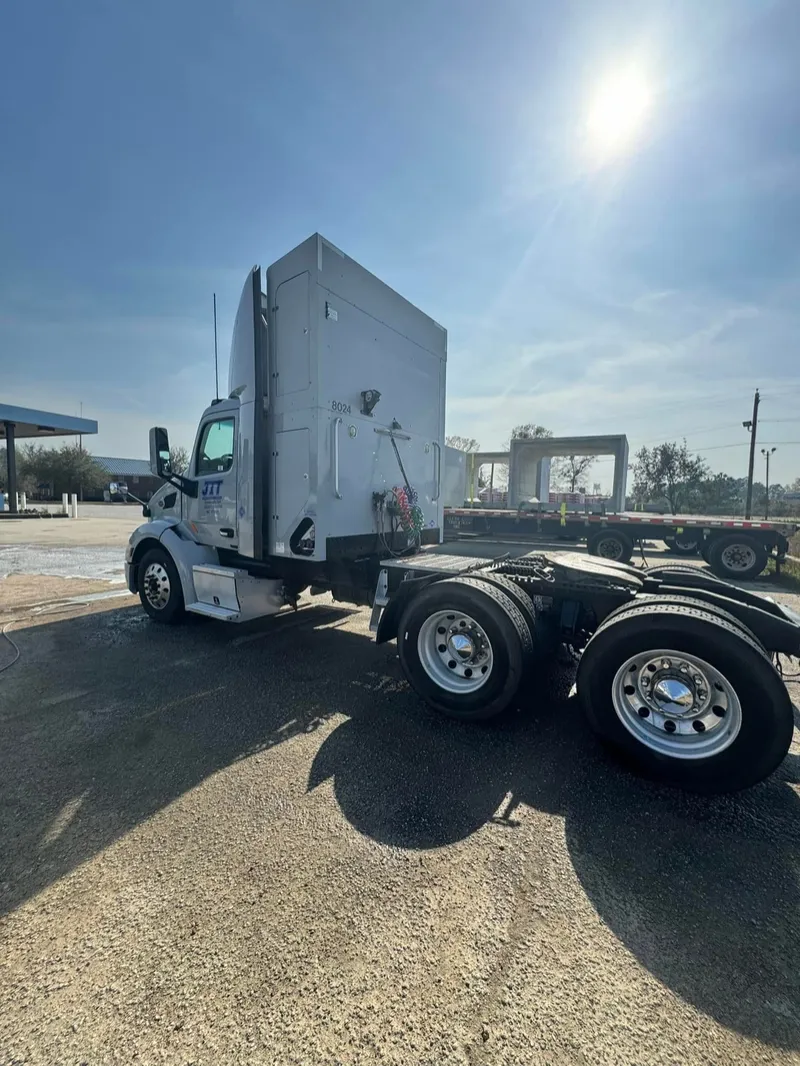
Polished aluminum wheels, fuel tanks, tanker shells and trailer panels cost real money, and so does chrome. They also take a beating on the road. To keep up, some mobile washers reach for harsh acid brighteners because they strip road film fast and make a truck look bright for a day.
The trouble shows up later. Used too strong, left on too long or applied in the hot Georgia sun, aggressive acids can leave aluminum cloudy, streaked or etched. Chrome can spot and haze. Rubber, decals and seals can suffer too. The damage is gradual, so many fleet owners do not notice until the shine is gone and the only fix is hours of polishing or new parts.
An aluminum-safe truck wash is not about washing softer. It is about choosing the right chemistry for each surface and applying it with care, every single visit.
What we do differently
- Separate approach for polished and non-polished surfaces
- No harsh acid brighteners on aluminum or chrome
- Pre-rinse first, so grit is not ground into the finish
- Work in sections so cleaner never dries on the truck
- Thorough rinse and water reclamation every time
How We Wash Your Fleet
The same six steps on every unit, so the result is consistent whether it is your first wash or your fiftieth.
Inspect
We walk the unit and note polished aluminum, chrome, decals, fresh paint, existing damage and heavy buildup before any water touches it.Pre-rinse
We knock off loose dirt, sand and road film so the cleaners can work on what is left instead of grinding grit into the finish.Apply the right cleaner
Polished and non-polished surfaces get different products. Cabs, wheels, frames and trailer panels are each treated for what they are.Hand detail where needed
Wheels, lug nuts, steps, grilles, mirrors and tight spots get extra attention so the truck looks finished, not just sprayed.Rinse
A thorough top-to-bottom rinse removes cleaner and loosened grime so nothing sits on the surface and dries into spots.Reclaim the water
Our reclamation equipment captures the wash water so it stays out of storm drains and off your property.
How We Treat Each Part of the Truck
A commercial vehicle is not one surface. It is a dozen different materials bolted together, and each one needs its own approach.
Polished aluminum
Wheels, tanks and tanker shells get cleaners made for polished metal, applied in sections and rinsed before they can dry.
Chrome
Bumpers, stacks, grilles and visors are cleaned without aggressive acids that haze or spot the finish.
Painted cabs
Paint and clear coat get a gentler approach that lifts road film without dulling the gloss.
Frames & undercarriage
Heavier degreasing where grease, mud and road grime collect, kept away from polished parts.
Decals & lettering
Controlled pressure and distance so fleet graphics and DOT numbers stay put and stay readable.
Glass & lights
Windows, mirrors, marker lights and reflectors cleaned for visibility and a professional look.
Wash Water That Stays Out of Storm Drains
Every job runs with water reclamation equipment. We contain the wash area and recover the runoff instead of letting soap, oil and road grime flow across your lot and into the nearest storm drain.
For many fleet and safety managers, what leaves the property matters as much as how clean the trucks look. Coastal Georgia is surrounded by marshes, rivers and tidal creeks, and storm drains here often lead straight to them. Capturing wash water is a practical way to keep your yard cleaner and your operation looking professional to neighbors, landlords and customers.
It also means we can wash at more locations, including properties that do not want uncontained runoff.
Why it matters to your operation
- A cleaner yard during and after the wash
- Less runoff toward storm drains and nearby waterways
- One less thing for safety and facility managers to worry about
- More sites where washing on location is possible
Why Experience Matters on Commercial Equipment
Washing a pickup and washing a 53-foot reefer are different jobs. Commercial equipment has more surface area, more materials and more ways to go wrong. Pressure that is fine on a frame rail can lift a decal. A cleaner that is fine on a painted bumper can haze a polished wheel.
Dale has spent 5 years in the pressure washing industry and built Coastal Georgia Fleet Washing around doing this specific job well. He knows how to adjust pressure, distance and chemistry for each part of the truck, and he would rather take the extra few minutes than send a truck back out with a streaked tank.
That attention to detail is the difference you see at the demo wash, and it is the difference you keep seeing on every scheduled visit after that.
Fleet Washing Services Using This Process
Every service below uses the same aluminum-safe process and water reclamation.
Semi Truck & Fleet Washing
Tractors, day cabs and full fleets washed on a schedule that keeps your trucks on the road.
Learn more →Dump Truck Washing
Mud, clay, asphalt and road grime cleared from beds, frames, wheels and undercarriage.
Learn more →Trailer Washing
Dry vans, reefers, flatbeds, tankers and chassis, including polished aluminum.
Learn more →Heavy Equipment Washing
Excavators, loaders, dozers and skid steers cleaned for inspection, rental return or resale.
Learn more →Washing Process FAQ
Will this hurt my polished tanks or wheels?
Our process is designed to protect polished aluminum. We use cleaners made for polished surfaces and avoid the harsh acid brighteners that can dull, streak or etch the finish.
Do you use acid?
We do not use harsh acid brighteners on aluminum or chrome. We choose professional-grade cleaners based on the surface, and we will gladly show you exactly what we use on your equipment.
Can you wash at night or on weekends?
Ask us. Washing while trucks are parked is often the best way to avoid downtime, and we work around your schedule where we can.
Why does water reclamation matter?
Wash water can carry soap, grease, oil and road grime. Our reclamation equipment captures it so it does not run off your lot into storm drains.
How long does a wash take?
It depends on the unit and how dirty it is. A tractor, a trailer and a loaded-down dump truck all take different amounts of time. We give you a realistic plan after seeing your fleet.
Do you hand-wash or only pressure wash?
Both. Pressure and cleaners do most of the work, and we add hand detail on wheels, steps, grilles and other spots that a spray-and-go wash misses.
Own or Manage a Fleet? Schedule Your FREE Demo Wash!
See the results on your own equipment before you commit. We come to your yard, wash a unit, and walk you through the process. No pressure, no contract to sign that day.
- Book your demo online or by phone
- We come to your yard or lot
- We wash a unit and show you the process
- You decide if we're the right fit